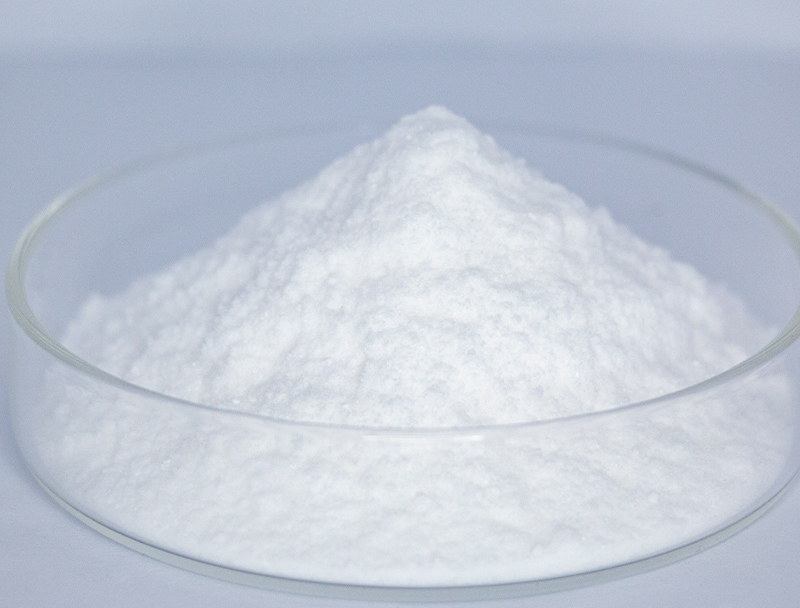
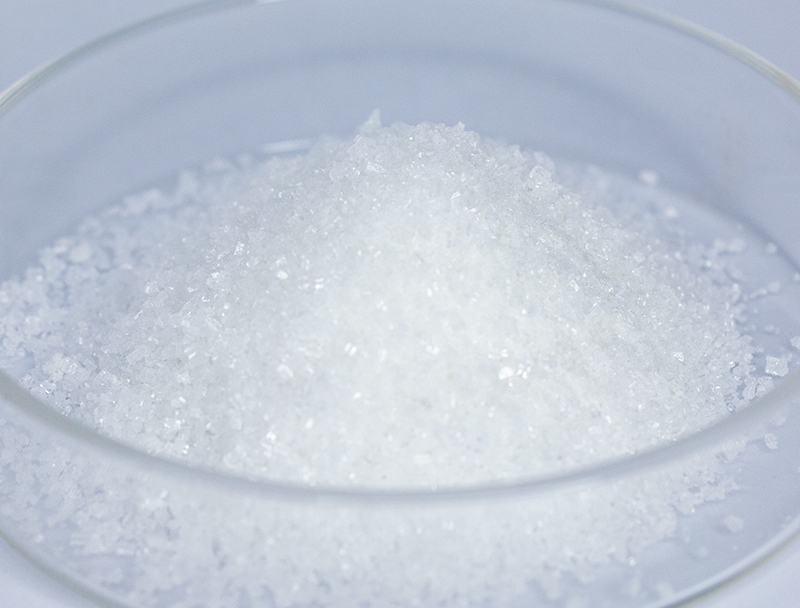
high-purity user-friendly inputs bulk beta nicotinamide mononucleotide

Biomanufacturing relies heavily on an extensive collection of raw materials to create novel bio-derived items.
Maintaining sustainably sourced materials underpins enduring viability and ethical market growth.
an array of drawbacks from conventional supply chains for instance pollution and systematic depletion of reserves. Hence, industry players ought to pursue innovative supply solutions to lower carbon burdens.
- Models of sustainable material sourcing include:
- Using repurposed agricultural residues as substrates
- Deploying circular process designs to reduce discard and boost reuse
- Building relationships with nearby vendors dedicated to moral sourcing
Transitioning to green supply models secures ecological benefits and economic upside.
Refining Biomass Sources to Enhance Fuel Conversion
Raising biofuel yields involves refining feedstock structure and content. Investigators regularly test new routes to upgrade biomass inputs, delivering enhanced conversion and a more resilient energy mix. This involves genetic modifications to increase biomass production, as well as pretreatment techniques that break down complex plant materials into more readily fermentable sugars.
- Similarly, research probes algae, byproduct streams, and harvest remnants as potential sustainable sources to augment biofuel feedstocks.
- As a result of relentless efforts the industry should deliver significant enhancements paving a path to sustainable energy.
Next-Generation Upstream Methods in Biopharmaceuticals
covers the early phases of biopharma production including culturing and biological harvesting New innovations across this area have produced enhanced manufacturing methods that boost yields.
Meaningful breakthroughs include engineered cell strains, enhanced culture formulations, and modular reactor designs. These refinements escalate production and lower expenses and environmental strain.
- Similarly, continuous process trends grant superior flexibility and refined control across production stages.
- This transition to advanced manufacturing techniques is set to transform the sector and accelerate therapeutic timelines.
Precision Genomic Tools Enhancing Biopharmaceutical Yields
breakthroughs in precise gene modification systems have reshaped biopharma production. By precisely targeting genes within host organisms, researchers can enhance the yield of valuable therapeutic proteins. The strategy paves the way toward accessible, high-yield therapeutics across disease spectra.
Leveraging Microbes to Tackle Environmental Pollution
state-of-the-art biological cleanup solutions using targeted microbial actions. Various microbial strains are capable of breaking down toxins into safer constituents.. Using microbial biotechnology enables remediation strategies that balance effectiveness with ecological protection. Investigators study multiple microbial strains for abilities to transform metals, degrade agrochemicals, and process petroleum wastes.. These microorganisms can be employed in bioreactors or directly at contaminated sites, promoting the breakdown of pollutants through biodegradation processes..
Employing microbial strategies for remediation provides multiple benefits versus traditional techniques. This route is often more affordable and reduces the formation of toxic residues. In addition, microbial approaches enable pollutant-specific treatment without broad ecological disruption. The domain advances quickly, concentrating on raising reliability and performance of microbial cleanup methods.
Leveraging Bioinformatics for Novel Therapeutics
Digital bioinformatics methods are central to evolving therapeutic discovery processes. By analyzing biological data to select and improve leads, computational methods support efficient drug development.
- By parsing huge omics and clinical databases, bioinformaticians detect targets and estimate therapeutic responses.
- Similarly, modeling drug–target interactions streamlines design of compounds with better efficacy and selectivity.
- In summary, bioinformatics overhauls pharmaceutical R&D and quickens the path to safe therapeutics for patients.
Fine-Tuning Metabolism to Maximize Bioproduct Synthesis
deploys several tactics to elevate cellular production of valuable biochemicals. These strategies can involve genetic modifications to optimize metabolic pathways, regulation of gene expression, and the introduction of novel genes to confer new capabilities.. Through strategic metabolic edits practitioners can markedly increase the synthesis of target products.
Such holistic engineering could impact many areas including medical therapeutics, agricultural outputs, and biofuel production.
From Lab to Plant: Challenges and Opportunities in Biomanufacturing Scale-Up
Industrial-scale production introduces demanding hurdles as well as strategic advantages. A primary obstacle is ensuring uniform quality control as volumes rise. This requires robust process control, precise monitoring, and sophisticated analytical techniques.
Another concern is that bioprocessing workflows are inherently complex and multi-staged.. Optimizing these processes for large-scale production can be a complex undertaking, requiring extensive research and technological innovation.. Still, the gains can be meaningful. Successful industrialization can broaden availability, trim costs, and raise profitability.
A series of measures are underway to confront these obstacles. These include the development of new technologies for process optimization, advanced analytics for real-time monitoring and control, and innovative manufacturing strategies.
- Ongoing innovation drives improvements in industrial production capability.
- Regulatory bodies are modernizing pathways to accelerate approval of advanced production technologies and support innovation.
Navigating the Regulatory Landscape for Biopharmaceuticals: Ensuring Safety and Efficacy
Producing biopharmaceuticals demands comprehensive oversight to guarantee safety and clinical effectiveness. Biologics sourced from living systems pose distinct regulatory and manufacturing N-Acetylneuraminic acid complexities versus small-molecule drugs.
Agencies such as the FDA in the United States and the EMA in Europe play a crucial role in establishing guidelines and standards for the approval of these innovative therapies..
Comprehensive testing regimens must be followed from early-stage research through ongoing post-approval monitoring.. The processes aim to expose risks and ensure that treatments meet exacting safety benchmarks.
Similarly, regulators iteratively adjust approaches to accommodate emerging biopharmaceutical breakthroughs.. This includes embracing novel technologies and facilitating the development process while maintaining a commitment to patient well-being.
Plant-Based Biomass Options for Bioplastic Manufacturing
The rising demand for eco-friendly materials fuels R&D on bio-based alternatives. Converting plant biomass into bioplastics offers a credible pathway to environmentally sound products. Feedstocks including cornstarch, plant cellulose, and sugarcane derivatives yield biodegradable plastics which break down and mitigate plastic pollution.
Similarly, selected bioplastics offer analogous properties to traditional plastics suitable for many applications.. Continuous R&D will drive plant biomass into scalable bioplastic manufacture and help establish closed-loop material systems.
Emerging Biotech Solutions for Health and Food Security
Biotech innovations hold promise to dramatically impact health and the reliability of food systems. By applying gene editing, synthetic biology constructs, and cellular therapies, scientists create tools to fight disease, raise yields, and boost nutrition.. As an example, crop genetic improvements for pest and stress resistance help boost production and cut dependence on chemical pesticides.. Additionally, biotech enables faster vaccine development, novel antimicrobials, and precise diagnostics critical to infectious disease control and health improvement.. As the field evolves, biotechnology is expected to play a pivotal role in shaping a healthier and environmentally sustainable future for all.
2-Ketoglutaric acid